ByJohn A
Top Hyderabad Travel Attractions Nobody Should Miss
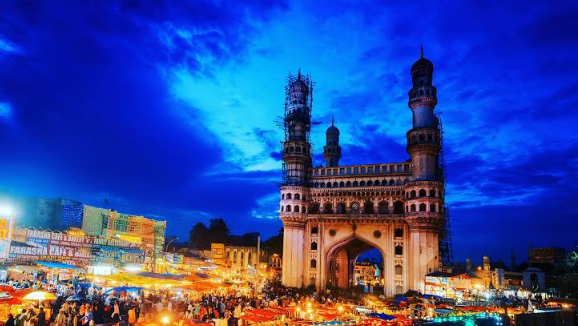
Hyderabad, the capital of the Indian state of Telangana, is a vibrant city that harmoniously blends rich history and modernity. Known for its iconic landmarks such as the Charminar and Golconda Fort, Hyderabad showcases a rich cultural heritage that attracts tourists from all over the world. The city is also famous for its culinary delights, particularly the world-renowned Hyderabadi Biryani, which is a must-try for any visitor. The bustling markets, such as Laad Bazaar, offer an array of traditional jewelry and handicrafts, showcasing the artisanal skills of the local populace. Furthermore, Hyderabad has emerged as an information technology hub, often referred to as ‘Cyber City’. This rapid development has led to a flourishing economy, making the city a prime destination for business travelers and expatriates. With its seamless blend of tradition and innovation, Hyderabad has positioned itself as a global city.
For those planning to visit, international airlines offer convenient flight services to the city. Cathay Pacific provides flight services from Manila To Hyderabad connecting Hyderabad to various global destinations, thereby easing travel for both leisure and business travelers. Additionally, the Rajiv Gandhi International Airport in Hyderabad is one of the busiest airports in India, providing state-of-the-art facilities and services. Passengers can enjoy a multitude of options, from luxury lounges to local cuisine, making their travel experience more enjoyable. The city’s strategic location and well-developed infrastructure also contribute to its accessibility, ensuring visitors can navigate smoothly across its attractions. Overall, Hyderabad’s unique blend of cultural richness, modern amenities, and hospitality makes it a captivating destination for travelers from all walks of life. Whether you’re exploring historical sites, indulging in culinary treasures, or engaging in business activities, the city truly offers something for everyone.
Chowmahalla Palace
Chowmahalla Palace, a UNESCO World Heritage Site located in Hyderabad, India, is a stunning example of Indo-Islamic architecture that reflects the grandeur of the Nizam’s era. To make the most of your visit to this magnificent palace, consider the following tips that will enhance your experience and ensure you appreciate its historical significance fully.
First and foremost, the best time to visit Chowmahalla Palace is during the cooler months, between November and February. The weather is generally pleasant, allowing you to explore the sprawling gardens and intricate architecture without the discomfort of the heat. Additionally, aim to visit on a weekday to avoid large crowds; this will give you ample time to explore each section and take in the intricate details of the palace’s design.
As you enter the palace grounds, be sure to take advantage of the guided tours available. Knowledgeable guides will share captivating stories and historical insights about the palace and its former royal inhabitants. This context will enrich your understanding and appreciation of the exquisite rooms, such as the Khilwat (the main ceremonial hall) and the grand dining hall, which are adorned with stunning chandeliers and antique furnishings. Don’t forget to ask questions to delve deeper into the rich history of the site.
Finally, take your time to stroll through the lush gardens that flank the palace. This serene environment offers a perfect backdrop for photographs and a chance to reflect on the historical significance of the site. Consider visiting the nearby Moula Ali Dargah or taking a short detour to savor local Hyderabadi cuisine at nearby eateries to round off your visit. Overall, with careful planning and a curious mindset, your trip to Chowmahalla Palace will be an unforgettable journey into the grandeur of the past.
See also: Life Coaching Services for Personal Growth and Fulfillment
Birla Mandir
Birla Mandir, also known as Laxmi Narayan Temple, is a prominent Hindu temple located in the heart of New Delhi, India. Constructed in 1939 by the Birla family, a renowned industrialist family in India, the temple is dedicated to Lord Vishnu and Goddess Lakshmi. The temple stands as a fine example of modern Indian architecture, blending traditional Hindu temple design with contemporary materials such as white marble. The intricate carvings and stunning sculptures adorning the temple reflect the artistry and craftsmanship of skilled artisans who worked on the project, making it a visual delight for visitors.
One of the striking features of Birla Mandir is its serene surroundings, nestled amidst lush gardens and tranquil water bodies. The temple’s design is complemented by an impressive view of the city, creating an atmosphere conducive to meditation and prayer. As devotees and tourists alike flock to this spiritual haven, they are greeted not only by the glorious architecture but also by the sounds of temple bells and the scent of incense wafting through the air. The temple serves as a vibrant cultural hub, where various religious and spiritual events are held, attracting people from diverse backgrounds.
The temple is particularly busy during major Hindu festivals, such as Diwali and Navratri, when elaborate rituals and ceremonies take place. Visitors can immerse themselves in the spiritual ambiance as they witness the temple beautifully illuminated with lights and adorned with flowers. Furthermore, Birla Mandir stands as a symbol of communal harmony, inviting people from different religions to appreciate its architecture and partake in its rituals. This inclusivity embodies the essence of India’s rich cultural tapestry, where diversity is celebrated.
In addition to its religious significance, Birla Mandir also plays an important role in promoting social welfare initiatives. The Birla family has historically contributed to numerous philanthropic causes, including education and healthcare. Through their efforts, they have sought to uplift the underprivileged and empower communities. Thus, Birla Mandir is not just a place of worship; it represents a commitment to social responsibility and community development, reinforcing the temple’s stature as an integral part of Delhi’s cultural and spiritual landscape.
Mecca Masjid
Mecca Masjid, one of the largest and oldest mosques in India, is a significant religious site located in Hyderabad, Telangana. Built in the 17th century during the reign of Sultan Muhammad Quli Qutb Shah, Mecca Masjid showcases the grandeur of Mughal architecture, blending Indo-Islamic styles with intricate craftsmanship. The mosque is named after the holy city of Mecca, as its bricks were made from soil brought from there, creating a unique spiritual connection. The mosque’s monumental dimensions, including its towering minarets and enormous prayer hall, can accommodate up to 10,000 worshippers, making it one of the most important centers of Islamic worship in the region.
The architecture of Mecca Masjid is a testament to the skill and artistry of the craftsmen of its time. The massive central arch, flanked by elegant minarets, features exquisite stained glass windows that allow colorful light to illuminate the prayer hall. The mosque is adorned with beautiful calligraphy and intricate floral motifs, showcasing the attention to detail that went into its construction. Notably, the mosque’s central hall is lined with granite pillars, each uniquely carved, which support the grand dome. The serene ambiance created by the architecture, combined with the spiritual significance of the site, draws thousands of visitors, both pilgrims and tourists alike.
Mecca Masjid is not only a site of worship but also a symbol of Hyderabad’s rich cultural and historical legacy. The mosque serves as a focal point for various religious and cultural events, particularly during the month of Ramadan, when it is beautifully illuminated and buzzing with faithful congregants. Additionally, the mosque’s location near the historic Chowmohalla Palace and Laad Bazaar enhances its significance, inviting visitors to explore the diverse heritage of the city.
In recent years, Mecca Masjid has faced challenges, including communal tensions and security concerns. Nonetheless, efforts by the government and local communities to maintain its sanctity and heritage have proven crucial. The mosque remains a symbol of faith, unity, and resilience for the people of Hyderabad and serves as a reminder of the region’s shared history. As visitors continue to flock to this architectural marvel, the legacy of Mecca Masjid endures, reflecting the intricate tapestry of India’s cultural and religious diversity.