
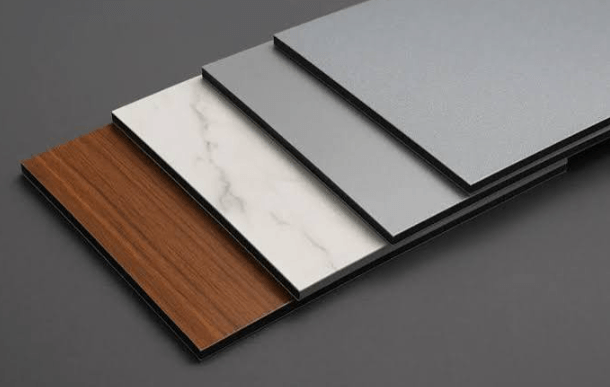


Achieving a Class A surface finish represents one of the more demanding standards in composite panel manufacturing, particularly for automotive and commercial vehicle applications where visible exterior panels must meet strict cosmetic quality expectations. Understanding what this classification actually requires helps buyers set appropriate expectations when sourcing composite panels.
Defining the Class A Surface Standard
Class A surface quality refers to a finish standard free from visible defects such as waviness, pitting, or fiber pattern show-through, matching the smooth, reflective quality expected of visible automotive body panels. Achieving this standard consistently requires tight control over the entire manufacturing process, from raw material formulation to mold surface quality.
Manufacturing Process Factors Affecting Surface Quality
Mold surface finish, resin formulation, and precise control over curing temperature and pressure all directly influence whether a finished panel achieves genuine Class A quality. Manufacturers with more advanced tooling and process controls are generally better positioned to consistently deliver this level of surface finish across production runs.
Common Surface Defects and Their Causes
Fiber pattern show-through, a common defect where the underlying fiberglass weave becomes visible on the finished surface, typically results from insufficient resin coverage or improper cure conditions. Understanding these common defect types helps buyers ask more informed questions when evaluating a potential manufacturing partner.
Testing and Verification Methods
Reputable manufacturers typically use specialized measurement tools to objectively verify surface quality rather than relying solely on visual inspection, since subtle waviness or defects aren’t always immediately apparent to the naked eye under standard lighting conditions.
Applications Requiring Class A Finishes
Beyond automotive exterior panels, Class A surface composites find application in various consumer-facing products where cosmetic appearance matters as much as structural performance, including certain marine and recreational vehicle components.
Comparing Manufacturer Capabilities
Buyers evaluating potential suppliers for cosmetically demanding applications can review the process controls and quality standards described by a Class A surface composite manufacturer to better understand their actual production capabilities.
Cost Implications of Class A Requirements
Achieving and consistently maintaining Class A surface quality typically adds manufacturing cost compared to standard structural-grade composite panels, since it demands tighter process controls and often more expensive tooling. Buyers should confirm whether their specific application genuinely requires this level of cosmetic finish before specifying it.
See also: Technorozen
Frequently Asked Questions
Is Class A surface quality necessary for all composite panels? No, this standard is primarily relevant for visible, cosmetically demanding applications like exterior vehicle panels. Structural or hidden panels typically don’t require this level of surface finish.
What causes fiber pattern show-through on composite panels? This common defect typically results from insufficient resin coverage over the fiberglass reinforcement or improper curing conditions during the manufacturing process.
How can buyers verify a manufacturer’s Class A capability? Requesting sample panels and asking about specific process controls, mold quality, and any measurement tools used for objective surface quality verification can help buyers assess a manufacturer’s actual capabilities.
Final Thoughts
Class A surface composite panels represent a demanding manufacturing standard suited to cosmetically critical applications. Buyers who understand what drives this level of finish quality are better equipped to evaluate potential manufacturing partners and set realistic expectations for their specific project needs.