
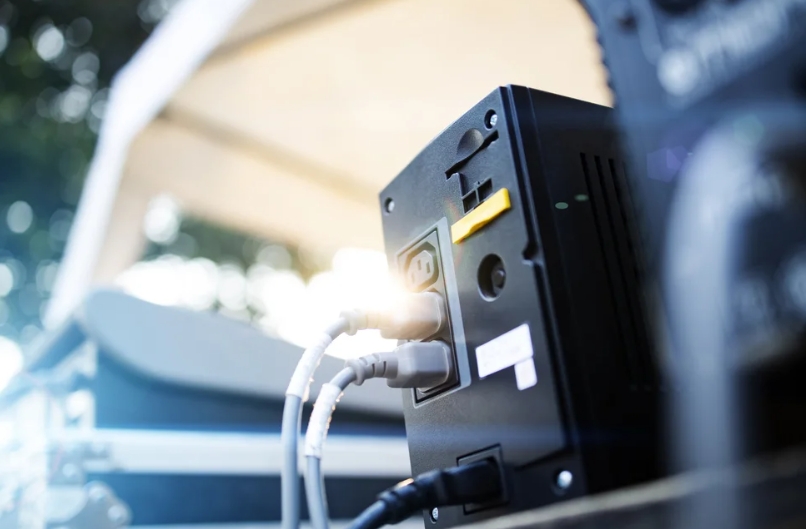


Introduction to UPS and Its Importance
Electricity plays a vital role in our daily lives. From charging mobile phones to running hospitals and businesses, uninterrupted power is essential. However, power cuts, voltage fluctuations, and sudden outages are still common in many regions. This is where the concept of UPS becomes extremely important.
Many people often ask, what is the full meaning of UPS, especially when purchasing electronic devices or setting up office systems. Understanding UPS is not just about knowing its full form but also about learning how it protects your valuable equipment and data.
In this article, you will get a complete, easy-to-understand explanation of UPS, its full meaning, how it works, its types, uses, and benefits—all written in simple language for everyone.
What Is the Full Meaning of UPS?
The full meaning of UPS is Uninterruptible Power Supply.
An Uninterruptible Power Supply is an electrical device that provides emergency power to connected equipment when the main power source fails. Unlike regular power backups, a UPS supplies instant power without any delay.
Definition of UPS in Simple Words
A UPS is a device that keeps your electronic equipment running for a short time during a power cut. It gives you enough time to save your work, safely shut down systems, or switch to another power source.
See also: Home Staging Services to Showcase Your Home’s Best Features
Why the Term UPS Is Widely Used
The term UPS is widely used because it ensures:
- Continuous power supply
- Protection from sudden shutdowns
- Safety for sensitive electronic devices
That is why understanding what is the full meaning of UPS is important for homes, offices, and industries alike.
How a UPS Works
A UPS works by storing electrical energy in batteries and instantly supplying it when the main power fails.
Main Components of a UPS System
A UPS typically includes:
- Battery: Stores backup power
- Rectifier/Charger: Charges the battery
- Inverter: Converts stored energy into usable power
- Controller: Manages power flow and safety
Step-by-Step Working Process
- The UPS charges its battery while main power is available.
- When power fails, the UPS detects the outage instantly.
- The inverter converts battery power into AC electricity.
- Connected devices continue running without interruption.
This seamless process explains why UPS systems are crucial for sensitive equipment.
Types of UPS Systems
There are different types of UPS systems designed for various needs.
Offline (Standby) UPS
- Used for personal computers
- Affordable and compact
- Activates only during power failure
Line-Interactive UPS
- Suitable for small offices
- Handles minor voltage fluctuations
- Offers better protection than offline UPS
Online (Double Conversion) UPS
- Used in hospitals and data centers
- Provides continuous power at all times
- Most reliable but more expensive
Each type serves a specific purpose depending on the environment.
Uses of UPS in Daily Life
UPS systems are used in many areas of daily life.
UPS for Home Appliances
- Computers and laptops
- Wi-Fi routers
- Smart TVs
UPS for Offices and Businesses
- Servers and networking equipment
- Desktop systems
- Security systems
UPS in Hospitals and Data Centers
- Life-support machines
- Medical monitoring devices
- Critical data storage systems
Without UPS systems, power interruptions could lead to serious losses.
Advantages of Using a UPS
Using a UPS offers multiple benefits.
Protection Against Power Failures
A UPS prevents sudden shutdowns that can damage hardware and software.
Data Safety and Device Longevity
- Prevents data loss
- Protects from voltage spikes
- Extends the life of electronic devices
These advantages explain why people frequently search for what is the full meaning of UPS before making a purchase.
Difference Between UPS and Inverter
| Feature | UPS | Inverter |
|---|---|---|
| Power Switching | Instant | Delayed |
| Usage | Short-term backup | Long-term backup |
| Equipment Safety | High | Moderate |
| Cost | Higher | Lower |
UPS is ideal for sensitive electronics, while inverters are better for long-duration power supply.
Factors to Consider When Choosing a UPS
Before buying a UPS, consider:
- Power capacity (VA rating)
- Backup time
- Type of devices connected
- Battery quality
- Brand reliability
You can explore technical standards and safety guidelines from trusted sources like the International Electrotechnical Commission (IEC) at https://www.iec.ch.
FAQs About UPS
1. What is the full meaning of UPS?
The full meaning of UPS is Uninterruptible Power Supply.
2. How long does a UPS provide backup power?
It usually provides backup for a few minutes to an hour, depending on capacity and load.
3. Is a UPS necessary for home use?
Yes, especially for computers, routers, and smart devices.
4. Can a UPS protect against voltage fluctuations?
Yes, most UPS systems stabilize voltage and protect devices.
5. What devices should be connected to a UPS?
Computers, servers, networking devices, and medical equipment.
6. Is UPS better than an inverter?
UPS is better for instant backup and sensitive electronics, while inverters are better for long-term power.
Conclusion
Understanding what is the full meaning of UPS is essential in today’s technology-driven world. A UPS, or Uninterruptible Power Supply, is more than just a backup device—it is a safety shield for your valuable equipment and data. Whether used at home, in offices, or in critical environments like hospitals, a UPS ensures uninterrupted operations and peace of mind.
By choosing the right UPS system, you can protect your devices, prevent data loss, and stay prepared for unexpected power failures.